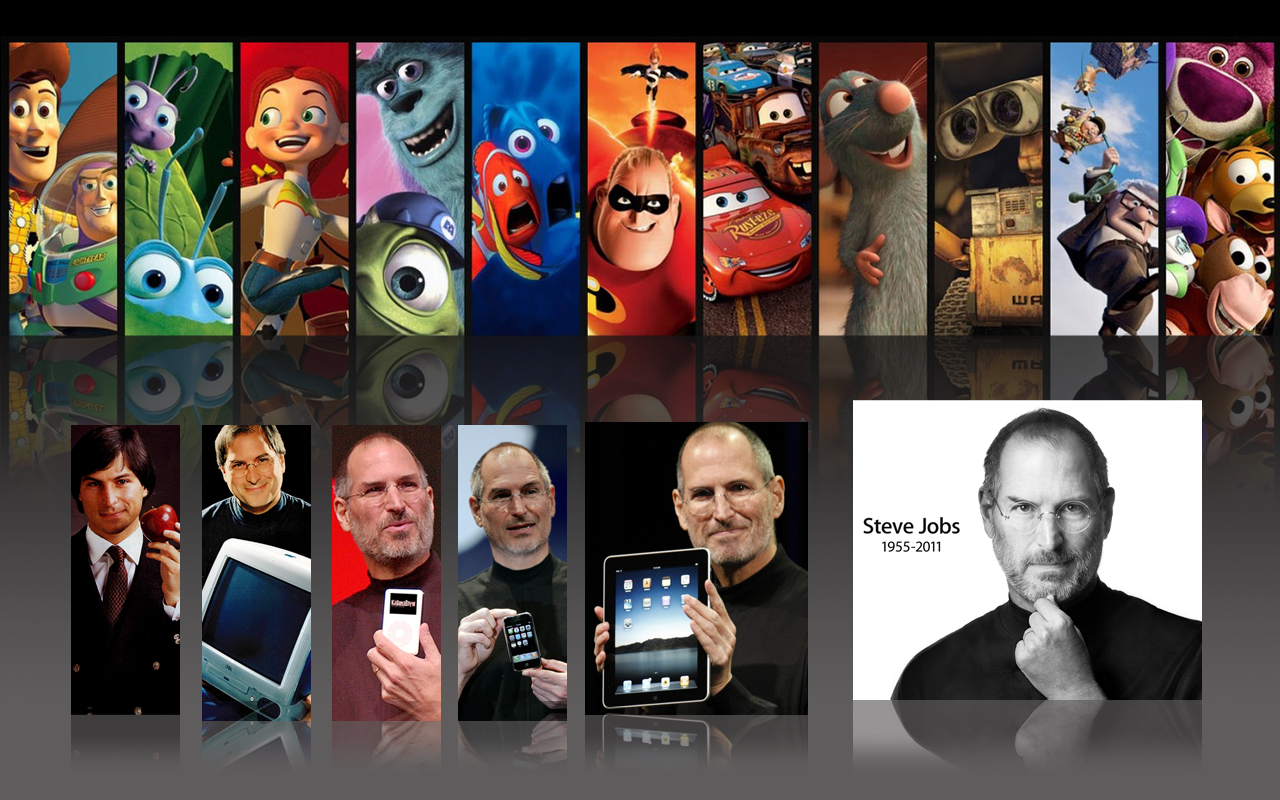
 A quick search on LinkedIn tells me there are 109,000 storyteller job openings in the US right now. If that’s a bit of a ‘nothingburger’ to you then lets talk burgers. Last week we mentioned that burger giant, McDonalds, is currently trading on the New York Stock Exchange at a SaaS-shaming valuation multiple of almost 10x revenues, or $220 billion. Weren't we told once upon a time that software was going to eat the world? Anyway, we also mentioned that Subway, with approximately similar numbers of restaurants and a global 100-country footprint, generated about two-thirds of the revenues of McDonalds. However, Subway is currently valued by private equity buyers at less than 1x revenues, or just $10 billion. So, what’s the story with the 90% valuation multiple disparity? Well, it’s quite likely the story, or the storyteller, is a significant factor in the gap. Apple’s Steve Jobs once said, “The most powerful person in the world is the story teller”. But, why the need for a story? In a piece we wrote a few years ago we focused on the power of a story with the following thoughts…
“A business needs to answer the most basic question for its product or service: why should people care – why should customers, employees or investors care? Stories are incredibly effective at capturing human attention in an increasingly noisy world. There are four key reasons why stories engages more of the human brain than other communications.
A quick search on LinkedIn tells me there are 109,000 storyteller job openings in the US right now. If that’s a bit of a ‘nothingburger’ to you then lets talk burgers. Last week we mentioned that burger giant, McDonalds, is currently trading on the New York Stock Exchange at a SaaS-shaming valuation multiple of almost 10x revenues, or $220 billion. Weren't we told once upon a time that software was going to eat the world? Anyway, we also mentioned that Subway, with approximately similar numbers of restaurants and a global 100-country footprint, generated about two-thirds of the revenues of McDonalds. However, Subway is currently valued by private equity buyers at less than 1x revenues, or just $10 billion. So, what’s the story with the 90% valuation multiple disparity? Well, it’s quite likely the story, or the storyteller, is a significant factor in the gap. Apple’s Steve Jobs once said, “The most powerful person in the world is the story teller”. But, why the need for a story? In a piece we wrote a few years ago we focused on the power of a story with the following thoughts…
“A business needs to answer the most basic question for its product or service: why should people care – why should customers, employees or investors care? Stories are incredibly effective at capturing human attention in an increasingly noisy world. There are four key reasons why stories engages more of the human brain than other communications.
- When a story is told it isn’t just the language processing parts of the brain which are engaged. A story generates an emotional reaction , a sensory stimulus, which causes you to feel what the characters in the story are feeling. And we don’t make rational decisions when we buy, we make decisions with emotion. Emotion is a powerful selling tool.
- Stories grab attention. They create and release tension as our brains seek certainty and closure. The release of neurochemicals like Oxytocin in our brains when immersed in a story can generate empathy; an essential factor in building community and loyalty.
- Stories transfer values and beliefs. Think childhood stories and parables. Now think of the power of a customer who sees in a story how a character arrived at a belief. If the customer begins to adopt that belief the sale is almost done.
- In a world experiencing a data explosion the human brain struggles to retain information over time. Studies show that messages delivered as stories are more than twenty times more memorable than just facts”
- There is no right answer to what is the best mix of storytelling and numbers.
- He suggests there should be a “bridge” between stories and numbers ie back up your numbers with stories, anecdotal evidence.
- The reverse is also true. Each story should have a number.
- Stories are memorable, numbers less so.
- Numbers create accountability.